Interview
Interview With Andy Quinn
I know quite a few photographers, but I only really know one who has experience with and specializes in astrophotography. That is my cousin Andy Quinn. He has been all over the world with photography and cinematography. He's even worked with James Cameron, director of countless great movies like Titanic, Aliens, The Terminator, and Piranha II: The Spawning (the last is a MUST WATCH). Anyways, one of Andy's specialties is in the area of astro-timelapes. I emailed him a list of questions, and he was kind enough to respond. Here are some of the highlights of the interview, along with the full document and Andy's Vimeo account.
Q: What is the most important fundamental to know about all photography?
A: Composition and framing is the basis for all good artwork. Don’t just fill the frame, think about what makes the frame compelling, where should the viewer’s eyes be directed, and how do you make that happen?
This has been my problem. All I have done so far is point my camera at the night sky and shoot, but that is really bad practice. I should be finding some sort of foreground object to photograph. After the interview, I went out for a session and kept this idea in mind. Luckily, a nearby swing set made for a good foreground.


Q: What kind of hardware would I need for astrophotography?
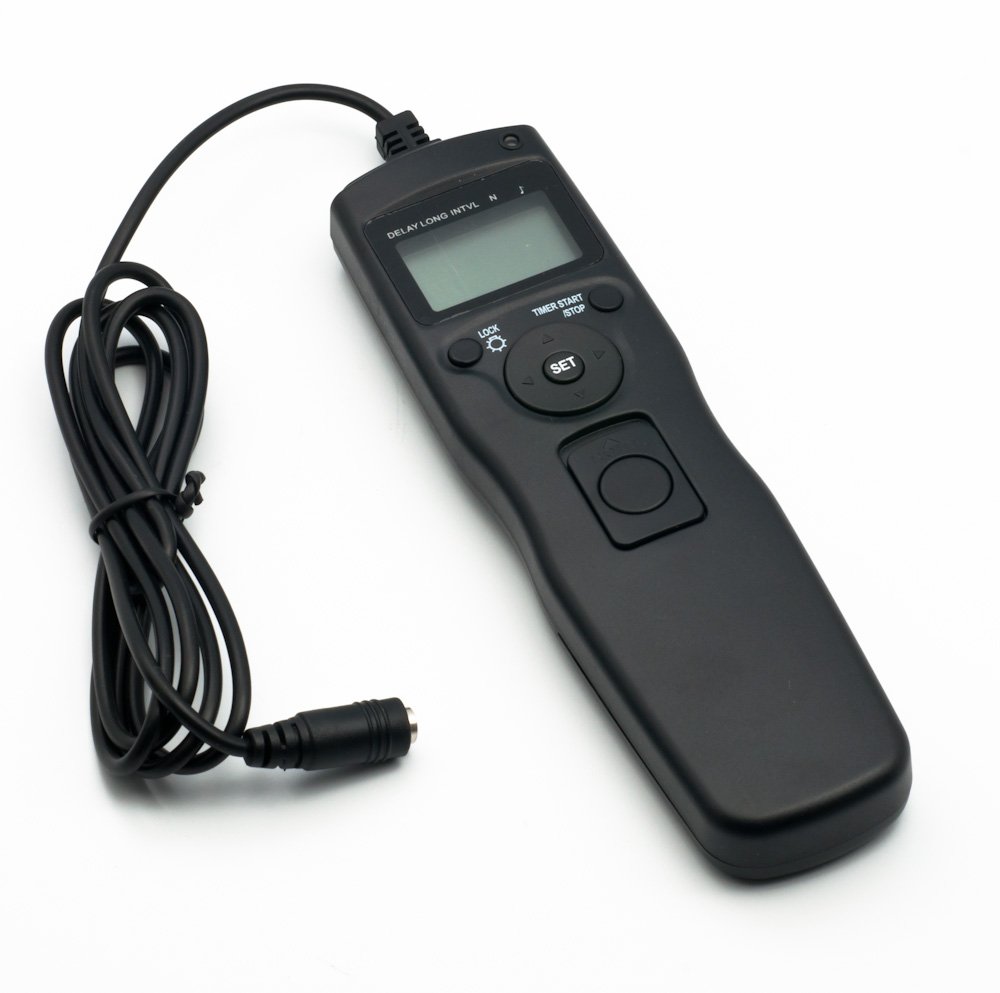
A: All you need to start is a camera and a tripod. Choosing the right camera that works well at higher ISO settings and a good lens with a wide aperture will give the best results. If you want to get into timelapses then you will need something called an “intervalometer” which allows for a series of long exposures to be automated. Some new cameras have internal intervalometers, others require an external unit that gets plugged into the camera.
After reading this response I went out and bought an intervalometer online. Canon was selling one for $135, but I found one for $25. They both do the same thing. I already have a great camera, but I may need a new tripod. My current one is shaky and not very sturdy, which can be the death of all long-exposure photography.
Q: If I am forced to take a photo in an area with a lot of light pollution, is there anything I can do to improve the image?
A: There’s no getting rid of light pollution, it just gets thicker and thicker the longer the exposure is. There are some filters you can use in post-processing, but they can only do so much. Just embrace the light pollution, it can have an eerie effect on an image and become part of the scene. You’ll be surprised how intense it looks after a few seconds-long exposure. Also, if you shoot straight up, rather than towards the horizon, you will see less light pollution because you are shooting through less atmosphere.
I might try to do just this the next time I go out shooting. I did some research, and the light pollution effect can look kinda cool and ominous. I'm glad to hear that living in an urban area isn't all bad news. The best part about this is that I can do it right in my backyard, no travelling required.

Thank you Andy for answering my questions, and thanks everyone else for reading the responses!

Comments
Post a Comment